Orthodox Fasting Guide
What Can Orthodox Christians Eat Today?
Download the Orthodox Fasting App to instantly see today's fasting rule.

Orthodox fasting is a central part of the Church's spiritual life, and the rules change every day. Knowing what you can eat on any given day depends on the liturgical calendar, the current fasting season, and the specific feast or commemoration being observed.
Orthodox Fasting Rules Change Daily
Unlike a single diet that stays the same throughout the year, Orthodox fasting follows a dynamic calendar. Each day may have a different level of fasting. This is why many faithful Christians look for daily guidance — the answer to "What can I eat today?" is never the same two days in a row.
The Orthodox Church observes several major fasting periods throughout the year, as well as weekly fasting on Wednesdays and Fridays. You can learn more in our guide to the Orthodox fasting calendar.
Foods Typically Allowed During Fasting
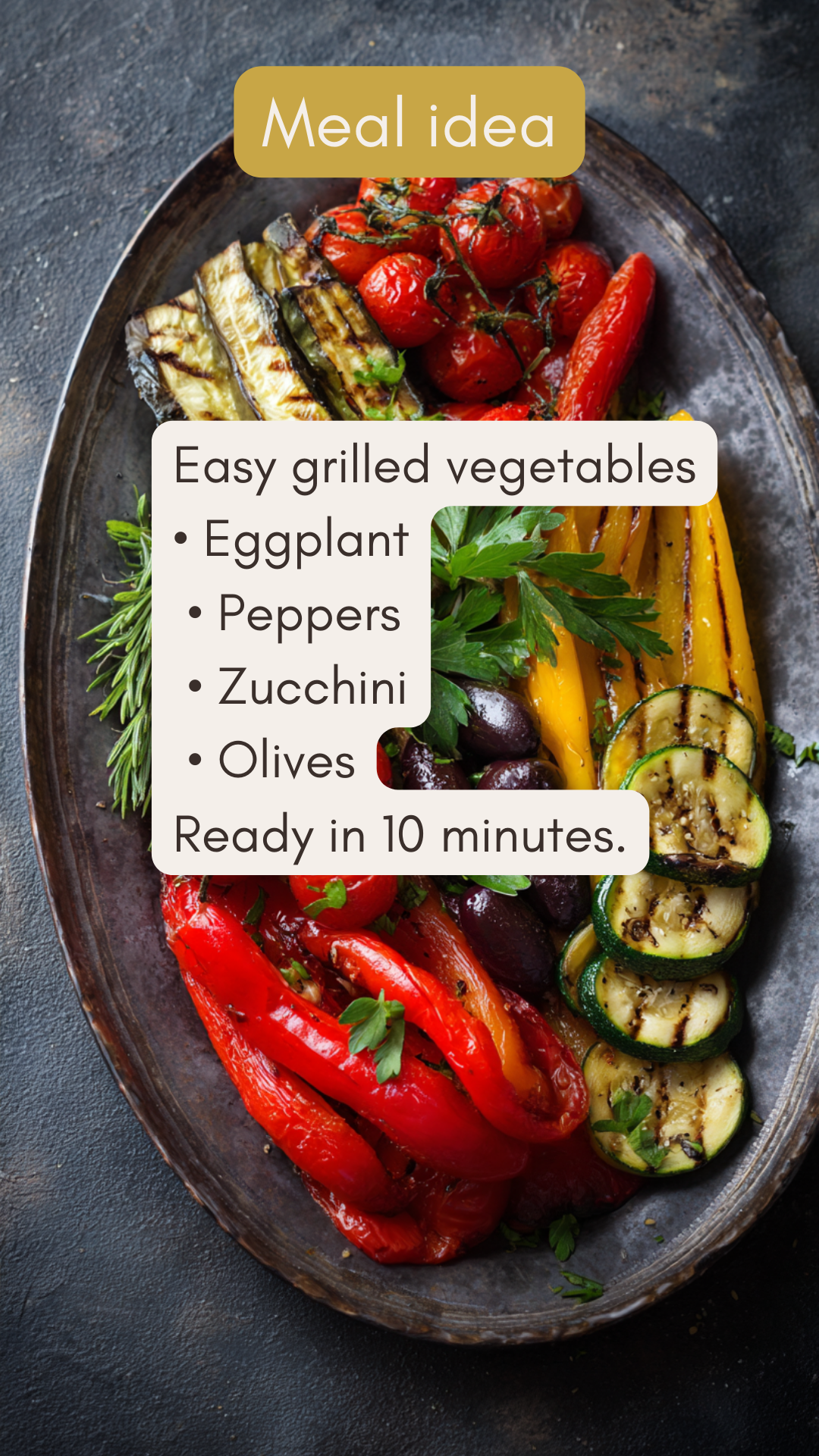
During most fasting periods, Orthodox Christians eat plant-based foods:
- Vegetables — all types, fresh or cooked
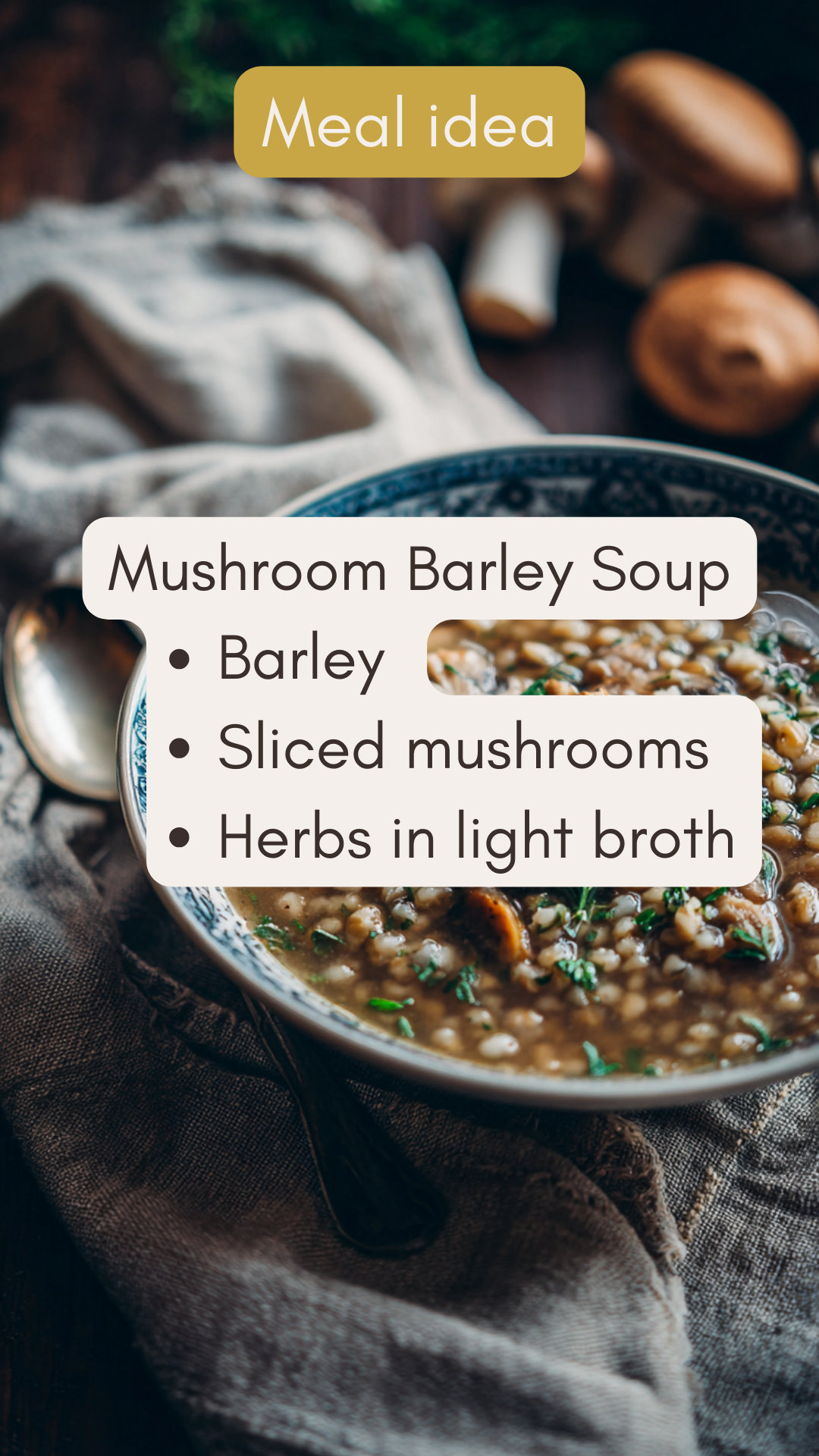
- Grains — rice, bread, pasta, oats, bulgur
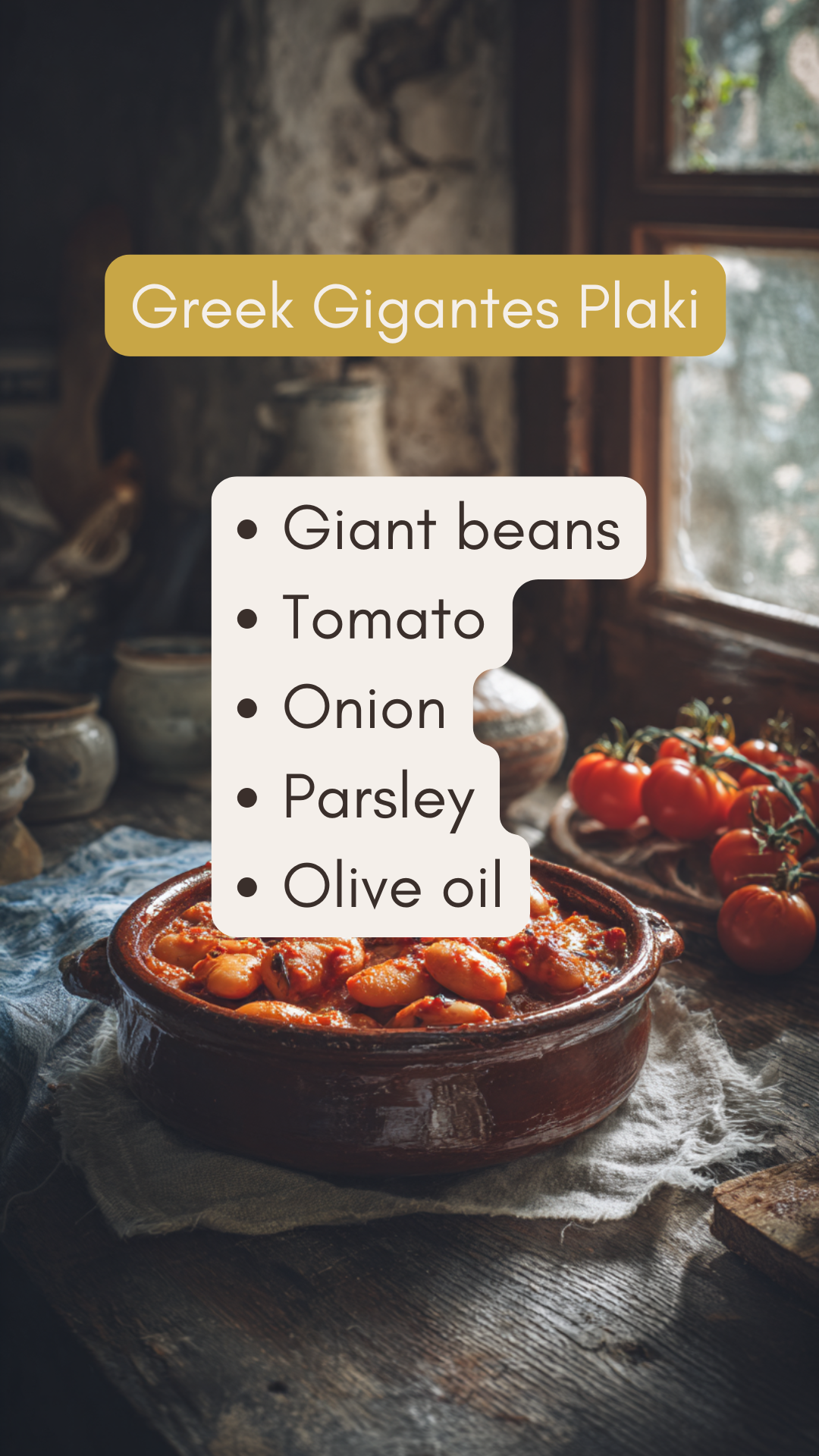
- Legumes — lentils, chickpeas, beans, peas
- Fruits — fresh, dried, or preserved
- Nuts and seeds — almonds, walnuts, sunflower seeds
- Mushrooms
Meat, dairy products, and eggs are traditionally avoided during all fasting periods.
Days When Fish Is Allowed
On certain major feast days that fall during fasting seasons, the Church permits fish. The most well-known examples include:
- The Annunciation (March 25)
- Palm Sunday
- Certain days during the Apostles' Fast and Nativity Fast
Shellfish is generally considered permitted throughout fasting periods in many Orthodox traditions, though practices vary by jurisdiction.
Days When Oil and Wine Are Allowed
Many fasting days permit olive oil and wine, especially on Saturdays, Sundays, and feast days during fasting seasons. On stricter days — particularly during the first and last weeks of Great Lent — oil and wine are traditionally avoided.
Strict Fasting Days
The strictest fasting days restrict the diet to bread, water, raw vegetables, and fruits. These include:
- Clean Monday (first day of Great Lent)
- Good Friday
- The first three days of Holy Week
Because the rules change so frequently, using a daily fasting calendar app is the easiest way to stay on track.
Frequently Asked Questions
What can Orthodox eat during fasting?
During fasting, Orthodox Christians eat vegetables, grains, legumes, fruits, nuts, and seeds. Meat, dairy, and eggs are avoided. On certain days, fish, olive oil, and wine are also permitted.
What foods are forbidden during Orthodox fasting?
Meat, poultry, dairy products (milk, cheese, butter, yogurt), and eggs are forbidden during all Orthodox fasting periods. On stricter days, fish, olive oil, and wine are also restricted.
Is fish allowed during Orthodox fasting?
Fish is allowed on certain feast days during fasting seasons, such as the Annunciation and Palm Sunday. On most regular fasting days, fish is not permitted.
Why do Orthodox fast on Wednesdays and Fridays?
Wednesday commemorates the betrayal of Christ by Judas, and Friday commemorates the Crucifixion. These are traditional weekly fasting days observed throughout the year by Orthodox Christians.
Follow the Orthodox fasting calendar with clarity.
Download the Orthodox Fasting Guide and always know what you can eat today.